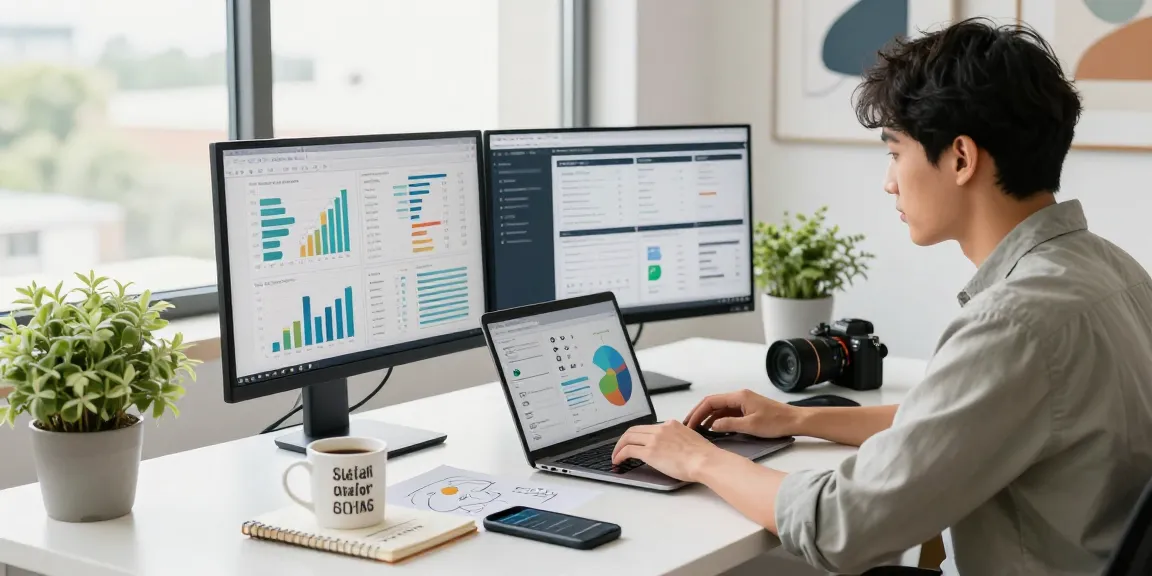
Understanding AI Laptops
As technology continues to advance, the rise of AI laptops represents a significant leap in how we utilize personal computing devices. These machines leverage artificial intelligence to enhance performance, streamline processes, and provide a more intuitive user experience. With the growing need for efficiency in both personal and professional settings, AI laptops have become essential tools for anyone looking to maximize productivity.
What Is an AI Laptop?
An AI laptop is a personal computer designed specifically to harness the capabilities of artificial intelligence. Unlike standard laptops, AI laptops are equipped with specialized hardware such as Neural Processing Units (NPUs) and advanced software algorithms. These features allow the machine to perform complex tasks more efficiently than traditional laptops, making them ideal for various applications, including machine learning, data analysis, and creative endeavors.
Key Features of AI Laptops
- Enhanced Processing Power: AI laptops feature dedicated hardware that can perform AI computations swiftly, allowing them to execute tasks that would slow down conventional laptops.
- Smart Software Integration: Many AI laptops come with built-in software that adapts to user habits, enhancing productivity by automating routine tasks.
- Improved Battery Life: Through AI optimization, these laptops manage energy consumption better, often resulting in longer usage times.
Benefits of Using AI Laptops in Daily Tasks
Using an AI laptop can lead to substantial improvements in daily productivity. For instance, AI algorithms analyze user behavior and personalize the user interface to suit individual preferences. This personalization can streamline workflows and enhance efficiency. Furthermore, advanced security features powered by AI provide better protection against cyber threats, ensuring user data remains secure.
Top AI Laptops to Consider in 2026
When exploring options, AI laptop provide comprehensive insights into the best models available. Here are some notable options to keep an eye on:
Best Overall AI Laptop Options
- Asus ROG Flow Z13: Known for its powerful performance and versatile design, this laptop supports demanding applications and gaming.
- Apple MacBook Air M4: A strong contender with a perfect blend of power, portability, and battery life, making it suitable for professionals and students alike.
AI Laptops for Gaming Enthusiasts
- Razer Blade 15: With cutting-edge graphics and AI-enhanced gaming performance, this laptop is perfect for gamers looking for the best experience.
- Alienware x17 R2: Featuring innovative cooling technology and AI optimization, this laptop ensures smooth gameplay during intensive sessions.
Budget-Friendly AI Laptop Choices
- Lenovo IdeaPad Slim 3: An affordable option that doesn’t skimp on essential AI features, making it great for students and casual users.
- Acer Aspire 5: A solid laptop choice that balances cost with decent performance and AI-driven applications.
How AI Laptops Enhance Productivity
AI laptops do not merely represent a new form of hardware; they also redefine how users approach productivity. By integrating AI into daily tasks, these devices can significantly enhance efficiency.
Efficient AI-Driven Applications
Many AI laptops come pre-installed with applications that leverage artificial intelligence to aid in tasks such as scheduling, document management, and even creative projects. These applications are optimized to learn from user behavior, making them increasingly effective over time.
Improving Multitasking with AI Features
Advanced multitasking capabilities are another hallmark of AI laptops. Through machine learning algorithms, these devices can manage resources better, allowing users to run multiple applications simultaneously without noticeable slowdowns.
Case Studies: Users’ Success Stories
Numerous professionals have shared their experiences with AI laptops, highlighting significant improvements in their workflows. Graphic designers, for instance, report faster rendering times and enhanced creativity thanks to AI-assisted design tools that suggest improvements and alterations.
Choosing the Right AI Laptop for Your Needs
Selecting the perfect AI laptop for personal or professional use involves considering various factors, including performance requirements and portability.
Assessing Performance Requirements
Before purchasing an AI laptop, it’s crucial to assess what tasks you need the device to handle. For gaming, a model with high graphical capabilities is essential, while a business user may prioritize battery life and keyboard comfort.
Understanding Battery Life and Portability
Another vital consideration is how portable the device needs to be. Some AI laptops offer ultra-lightweight designs perfect for on-the-go use, while others may prioritize powerful performance over portability.
Comparing AI Laptops from Leading Brands
When evaluating AI laptops, comparing models across different brands can reveal which features are essential for your needs. Dell, HP, and Lenovo are all producing competitive AI laptops that cater to various market segments from casual to professional use.
Future Trends in AI Laptop Technology
The landscape of AI laptops is continually evolving, and several trends are emerging that could impact future designs and functionalities.
Emerging Innovations in AI Hardware
As competition escalates, manufacturers are investing in innovative hardware solutions that prioritize not only performance but also energy efficiency and sustainability. Expect to see faster NPUs and smarter cooling technologies in upcoming models.
Predictions for the AI Laptop Market
The AI laptop market is poised for growth as more consumers recognize the benefits of AI integration. Analysts predict that as the technology becomes more mainstream, prices will decrease, making these advanced tools accessible to a broader audience.
How AI Laptops Will Shape Work Environments
With the push for remote work and flexible environments, AI laptops will likely play a crucial role in shaping the future of how we work. Their ability to adapt to user needs can create more efficient and personalized workspaces.