
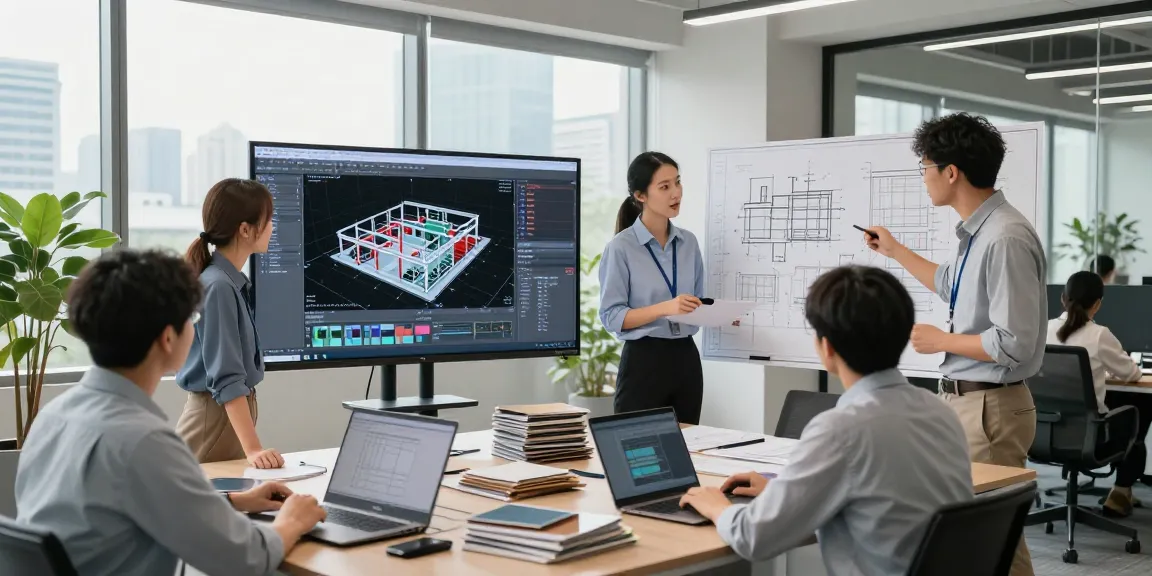
Understanding the Role of a Structural Engineering Consultant USA
In an evolving world where infrastructure and technology intersect, the need for skilled Structural Engineering Consultants in the USA grows increasingly critical. They play an essential role in ensuring that buildings and structures are safe, efficient, and compliant with local and national codes. From skyscrapers to bridges, these consultants help navigate the complexities of modern engineering, offering innovative solutions tailored to the unique challenges presented by each project. When exploring options, Structural Engineering Consultant USA provides comprehensive insights into effective engineering practices.
What is Structural Engineering?
Structural engineering is a specialized field within civil engineering that focuses on the design, analysis, and implementation of structural elements that withstand environmental forces and human use. Structural engineers ensure that buildings, bridges, towers, and other constructions can safely support the intended loads while maintaining structural integrity and aesthetic appeal. They employ a combination of physics, mathematics, and material science to create designs that balance functionality, safety, and economic feasibility.
Key Responsibilities of Structural Engineers
Structural engineers are tasked with several critical responsibilities, including:
- Design and Analysis: Creating plans and specifications for structures that meet both safety and aesthetic standards.
- Load Calculations: Performing calculations to determine the loads a structure will endure, including environmental factors such as wind, earthquakes, and snow.
- Material Selection: Choosing appropriate materials based on their properties, cost, and performance requirements.
- Compliance Assurance: Ensuring that all designs adhere to local building codes and regulations, as well as safety standards.
- Project Management: Coordinating with architects, construction managers, and other stakeholders to ensure all aspects of a project align with the design and specifications.
Why Hire a Structural Engineering Consultant?
Engaging a structural engineering consultant can provide numerous benefits for any construction project. Their expertise can help mitigate risks, streamline the design process, and ensure compliance with local regulations. Moreover, they can offer innovative solutions that reduce costs and enhance safety. In an era where sustainable building practices are increasingly emphasized, structural engineering consultants are also essential for incorporating green technologies into new designs.
Industries Served by Structural Engineering Consultants
Construction and Infrastructure Development
In the construction industry, structural engineering consultants are vital in ensuring that buildings and infrastructure projects are designed to withstand the rigors of time and use. They work on a diverse array of projects, from residential homes to large-scale commercial buildings and infrastructure such as bridges and tunnels. Their expertise in load distribution, material science, and compliance with regulatory requirements is crucial for creating safe and functional structures.
Energy Sector Engineering Solutions
As the energy sector evolves, the demands placed on structural engineering consultants become more complex. Projects in renewable energy, such as wind farms and solar energy installations, require specialized knowledge to address unique challenges associated with environmental impacts and sustainability. Structural engineers ensure that these energy installations are designed to withstand natural forces while optimizing their performance.
Specialized Services for Healthcare Facilities
The healthcare industry necessitates unique considerations in structural engineering, primarily due to stringent regulations and safety requirements. Structural engineers specializing in healthcare facilities must design spaces that accommodate high traffic, advanced medical equipment, and secure patient care areas. This involves careful planning to create functional layouts that ensure both accessibility and safety.
Challenges in the Structural Engineering Industry
Common Misconceptions About Structural Engineering
One prominent misconception in the field of structural engineering is that the role is solely focused on design. In reality, structural engineers are also deeply involved in analysis, material science, and compliance. Their work is not just about drawing plans; it encompasses a comprehensive approach to ensuring safety and functionality in every aspect of construction.
Addressing Regulatory Compliance and Standards
Compliance with ever-evolving building codes and regulations can present significant challenges for structural engineering consultants. They must stay updated on local, regional, and national standards to ensure that all designs adhere to the latest safety guidelines. This often requires ongoing education and training, as regulations can change frequently and vary significantly by location.
Overcoming Project Management Obstacles
Effective communication and coordination among various parties involved in construction projects are crucial for success. Structural engineering consultants must often navigate misunderstandings or conflicts between architects, contractors, and regulatory authorities. By fostering collaboration and clear communication, consultants can help alleviate these challenges and ensure projects progress smoothly.
Best Practices for Selecting a Structural Engineering Consultant USA
Evaluating Experience and Expertise
When selecting a structural engineering consultant, evaluating their experience and expertise is crucial. Prospective clients should consider the consultant’s background in similar projects, their educational credentials, and any relevant certifications. Engaging a consultant with extensive experience in the relevant field can lead to smoother project execution and better outcomes.
Importance of Technological Proficiency
In today’s fast-paced environment, structural engineers must be proficient in the latest technologies and software tools. Familiarity with industry-standard software, such as AutoCAD, Revit, and structural analysis programs, is essential for creating accurate designs and analyses. A technologically adept consultant can leverage cutting-edge solutions to provide innovative approaches to complex engineering challenges.
How to Assess Client Testimonials and Case Studies
Client testimonials and case studies offer valuable insights into a consultant’s capabilities and the quality of their work. Prospective clients should take the time to review past projects to gauge how the consultant has managed challenges and delivered results. This evaluation can provide reassurance of their reliability and effectiveness in meeting client needs.
Future Trends in Structural Engineering
Emerging Technologies and Innovations
The structural engineering field is continuously evolving, with emerging technologies reshaping how engineers approach design and analysis. Innovations such as building information modeling (BIM), advanced materials, and automation tools are becoming increasingly prevalent. As these technologies grow in sophistication, they promise to enhance the efficiency, accuracy, and sustainability of engineering practices.
Sustainable Engineering Practices for 2026 and Beyond
Sustainability is a key focus in modern engineering, and this trend is expected to intensify in the coming years. Structural engineers will increasingly be tasked with integrating sustainable practices into their designs, utilizing renewable materials, and implementing energy-efficient solutions. As regulations and public demand for sustainable practices rise, engineers must be prepared to adapt and innovate to meet these new expectations.
Impact of Infrastructure Policies on Consulting Services
Government infrastructure policies will play a significant role in shaping the consulting landscape for structural engineering. Increased investment in infrastructure development can create new opportunities for structural engineers, particularly in areas like transportation, renewable energy, and affordable housing. Staying informed about policy changes and funding initiatives will be essential for consultants seeking to remain competitive in this ever-evolving market.
What are the benefits of hiring a consultant for structural engineering projects?
Engaging a structural engineering consultant brings numerous advantages, including access to specialized expertise, enhanced project efficiency, and improved safety compliance. Their ability to navigate complex regulations and provide innovative solutions can lead to more successful projects, minimizing risks and potential delays.
How do I choose the right structural engineering consultant for my project?
Choosing the right structural engineering consultant involves evaluating their experience, expertise, and ability to communicate effectively with your team. Consider seeking recommendations from colleagues, reviewing past projects, and conducting interviews to assess their compatibility with your project’s goals and requirements.
What is the role of technology in modern structural engineering?
Technology plays a pivotal role in modern structural engineering, streamlining design processes, enhancing accuracy in calculations, and improving collaboration among project stakeholders. Tools like BIM and advanced analytical software enable structural engineers to create better designs and identify potential issues before construction begins.
What challenges do structural engineers face today?
Structural engineers face numerous challenges today, including navigating regulatory complexities, addressing environmental concerns, and meeting client demands for efficiency and sustainability. Continuous professional development and adapting to new technologies are crucial for overcoming these obstacles.
How can sustainable practices be implemented in structural engineering?
Implementing sustainable practices in structural engineering involves adopting eco-friendly materials, optimizing resource use, and minimizing waste. Structural engineers can also work on designs that incorporate energy-efficient building systems and promote the use of renewable energy sources.
